← Back to Domains
Fiscal

Public Finances

Debt
95% GDP (Β£2.9tn)
Interest
Β£111bn/year
Tax Burden
38.3% GDP (record)
40%Current
Potential: 65%

βœ—Key Problems

  • 1.Debt interest Β£111bn/yr - nearly tripled, 4th largest spend
  • 2.Tax thresholds frozen since 2021 - 4m dragged into higher brackets, Β£45k treated as "high earner"
  • 3.Tax burden 38.3% GDP - highest since WWII
  • 4.Triple lock Β£15.5bn/yr - 3x estimate, untouchable

βœ“Solutions

  • 1.EARNINGS-LINK ONLY: Replace triple lock, save Β£15.5bn/yr (pre-2011 norm)
  • 2.EFFICIENCY TARGET: Return to 2019 staffing ratios, save Β£25bn/yr (Canada 1990s model)
  • 3.FISCAL ANCHOR: Benefits growth capped at inflation until debt/GDP below 80%
  • 4.EMPLOYER NI CUT: Reduce jobs tax to boost employment (Ireland model)
πŸ”¬

Analysis

Root Causes

1

Debt interest Β£111bn/yr - nearly tripled, 4th largest spend

2

Tax thresholds frozen since 2021 - 4m dragged into higher brackets, Β£45k treated as "high earner"

3

Tax burden 38.3% GDP - highest since WWII

4

Triple lock Β£15.5bn/yr - 3x estimate, untouchable

Reform Pathway

1

EARNINGS-LINK ONLY: Replace triple lock, save Β£15.5bn/yr (pre-2011 norm)

2

EFFICIENCY TARGET: Return to 2019 staffing ratios, save Β£25bn/yr (Canada 1990s model)

3

FISCAL ANCHOR: Benefits growth capped at inflation until debt/GDP below 80%

4

EMPLOYER NI CUT: Reduce jobs tax to boost employment (Ireland model)

Policy Costings

Rigorous fiscal analysis of Public Finances reforms

View All Costings β†’
⚠️
CONTESTED ESTIMATE
Significant methodological disputes. View caveats below.
πŸ’°Fiscal

Laffer Curve Tax Cuts

Upfront
Β£0m
Annual
-Β£45.0bn
Revenue
+Β£7.5bn
Net Annual Effect
-Β£37.5bn/year
GDP +2%Productivity +0.4%very high uncertainty
UNCERTAINTY RANGE (Annual Net Effect)
Most Pessimistic
-Β£60.0bn
⟷
Most Optimistic
-Β£20.0bn
⚠️
MAJOR CAVEATS
  • β€’Static vs dynamic scoring contested: OBR uses static, but 2024-25 receipts below forecast after tax rises
  • β€’Laffer curve position uncertain: record millionaire exodus (UK now global leader) and non-dom flight suggest behavioural response stronger than models predict
  • β€’Elasticity assumptions vary widely: academic models (0.1-0.3) vs observed capital flight response
  • β€’International evidence mixed: Ireland corporate tax success, UK 50p rate underperformed, Kansas cuts failed (context-dependent)
  • β€’Transition costs real: static cost Β£40-50bn/yr requires offsetting measures or borrowing
  • β€’Counter-evidence: UK highest tax burden since 1948 correlates with stagnant growth, not revenue maximisation
4 sources
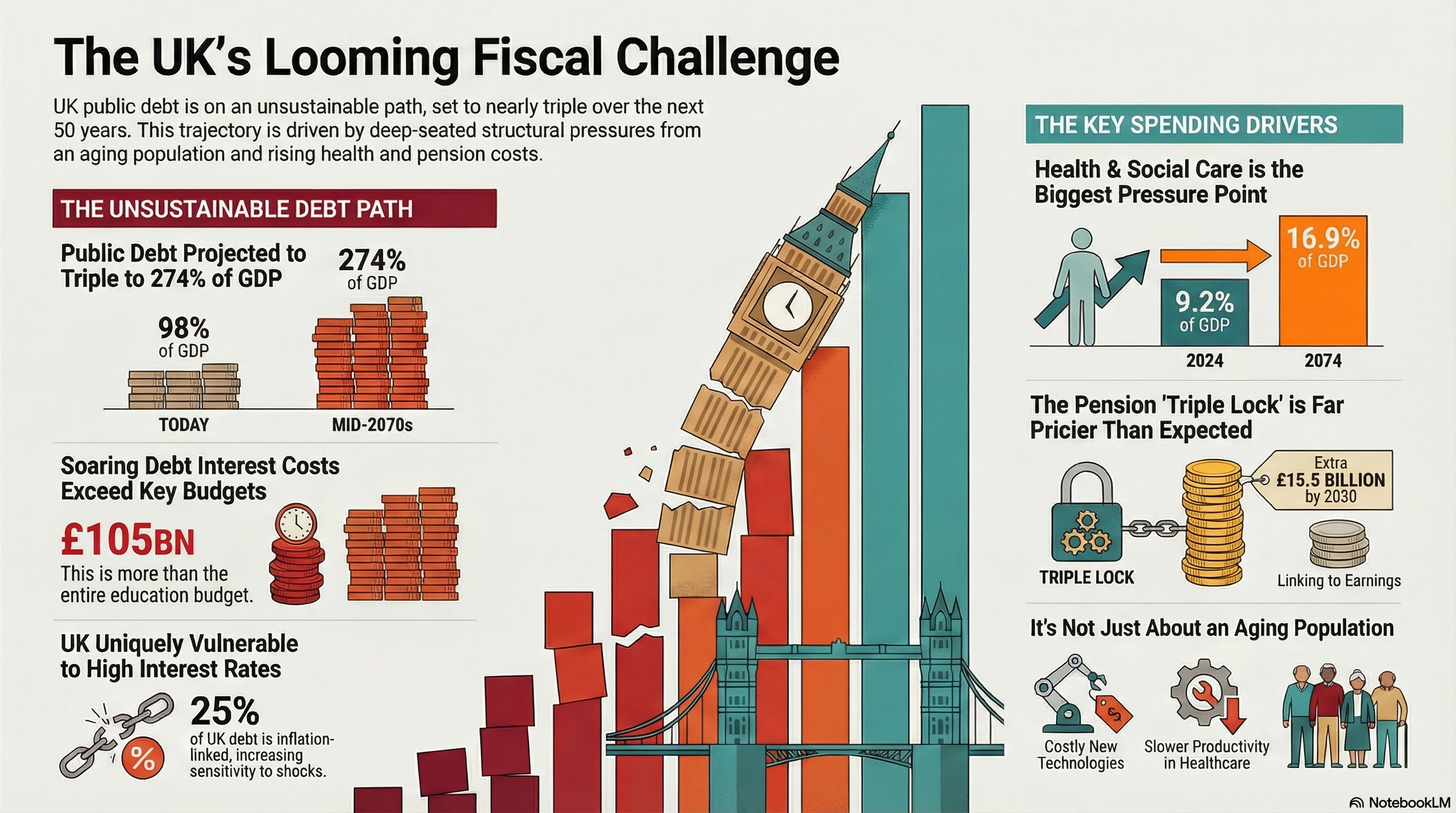
Britain's Fiscal Tightrope - Infographic
Britain's Fiscal Tightrope β€’ Data sources cited in image